
Rotary drilling rigs play an important role in modern pile foundation construction. Casing installation remains a critical step in many drilling operations. Proper casing protects pile holes and prevents soil collapse and debris intrusion. It also helps maintain pile verticality and improves construction safety.
1. Select the Right Casing Material and Size
Steel casings are widely used because they offer high strength and durability. Contractors should select casing diameter and length according to pile diameter and drilling depth. All casing specifications should meet project designs and construction standards. Proper selection provides reliable protection throughout drilling.
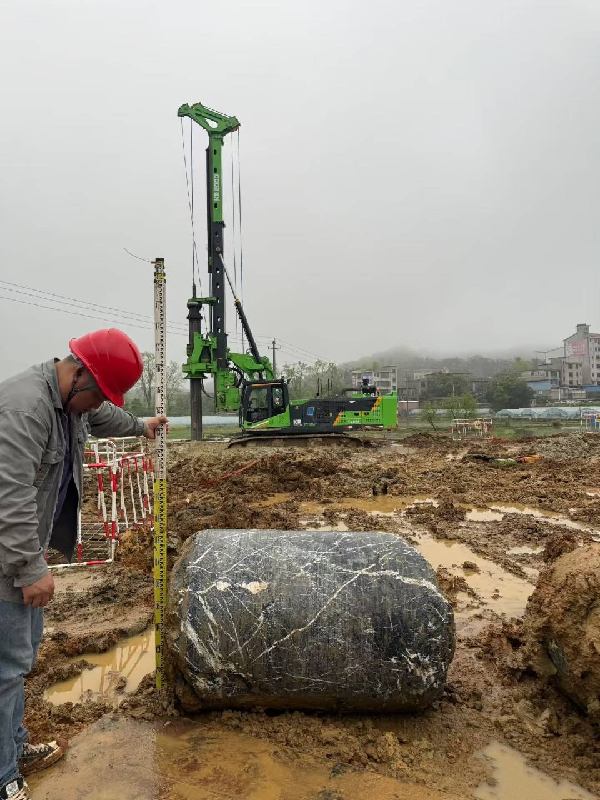
2. Ensure Accurate Casing Positioning
Accurate positioning provides the foundation for stable casing performance. Workers should align the casing center with the pile hole center. They should use professional measuring tools to check and adjust the casing repeatedly. Proper positioning helps maintain verticality during drilling. It also reduces the risk of pile hole deviation.
3. Choose a Reliable Connection Method
Flange connections and welded joints are common methods for steel casing installation. Workers should ensure strong connections and good sealing performance. Proper connections help prevent water and air leakage during construction. Teams should inspect each joint for looseness, cracks, or other defects. Timely repairs can prevent connection problems from delaying projects.
4. Control the Casing Burial Depth
The required burial depth depends on soil conditions and groundwater levels. Geological conditions also influence the final casing depth. Sufficient burial depth helps prevent sidewall collapse and debris from entering the pile hole. Construction teams should check the actual depth against project specifications. Insufficient depth may cause pile hole deviation or inclination.
5. Check Casing Sealing Performance
Good sealing performance helps maintain stable pile foundation construction. A properly sealed casing can isolate groundwater and underground gases from the pile hole. Workers should inspect sealing conditions before and during drilling. They should address water or air leakage immediately when problems occur. Keeping the casing interior clean also protects pile forming quality.
Conclusion
Casing installation directly affects pile foundation quality and safety. Contractors should control material selection, positioning, connections, burial depth, and sealing. Standardized installation practices can stabilize pile holes and reduce construction risks. They also support efficient drilling and high-quality project completion.